

The Poodle: A Comprehensive Guide to This Intelligent Breed
Brief Introduction
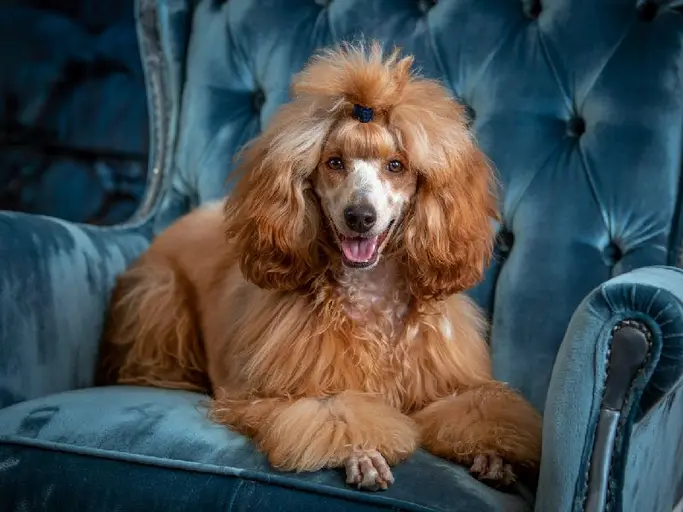
The Poodle, a breed known for its intelligence, elegant appearance, and hypoallergenic coat, is a popular choice for families and individuals alike. Available in three sizes – Standard, Miniature, and Toy – the Poodle offers versatility and companionship to suit different lifestyles. But beyond its striking looks, the Poodle is a highly intelligent and trainable dog, eager to please and excel in various canine activities. Whether you’re looking for a playful companion or a show-stopping canine athlete, the Poodle might be the perfect breed for you. Their low-shedding coat is also a major draw for allergy sufferers.
Breed History
The Poodle’s history is often misunderstood. While often associated with France, its origins trace back to Germany, where it was initially bred as a water retrieving dog. The name “Poodle” comes from the German word “Pudel,” meaning “to splash in water.”
Early Days and Purpose
The earliest Poodles were larger dogs used to retrieve waterfowl. Their distinctive clipped coat wasn’t just for show; it served a practical purpose. The thick coat on the chest and joints provided warmth in cold water, while the shaved hindquarters allowed for greater freedom of movement.
Evolution and Diversification
Over time, the Poodle spread throughout Europe, particularly to France, where it became a popular circus performer and companion dog. The French refined the breed, developing the smaller Miniature and Toy varieties. The Poodle’s intelligence and adaptability made it a valuable working dog and a beloved pet. The breed was also used for truffle hunting. Their keen sense of smell helped them located the expensive fungi.
Modern Poodle
Today, the Poodle is primarily a companion animal, highly regarded for its intelligence, trainability, and hypoallergenic qualities. It continues to excel in dog sports like agility, obedience, and dock diving, showcasing its versatility and athleticism. The history of the poodle is long and varied, reflecting its adaptability and intelligence.
Appearance
The Poodle’s appearance is one of its most defining features. The breed is instantly recognizable by its curly, often elaborately groomed coat. But form follows function, at least historically, and the breed is a well-proportioned and athletic animal beneath the fluffy exterior.
Height and Weight
The Poodle comes in three size varieties:
- Standard Poodle: Over 15 inches tall at the shoulder, typically weighing 40-70 pounds.
- Miniature Poodle: 10-15 inches tall at the shoulder, typically weighing 10-15 pounds.
- Toy Poodle: No more than 10 inches tall at the shoulder, typically weighing 4-6 pounds.
Coat and Color
The Poodle’s coat is dense, curly, and hypoallergenic, meaning it produces less dander than most breeds, making it a good choice for allergy sufferers. It is available in a wide range of solid colors, including:
- Black
- White
- Apricot
- Cream
- Brown
- Gray
- Silver
- Red
While parti-colored poodles (two or more colors) exist, they are not recognized by all kennel clubs.
Other Features
- Ears: Long, drooping ears set at or slightly below eye level.
- Eyes: Almond-shaped, dark, and expressive.
- Tail: Traditionally docked (though increasingly left natural), carried high and curved. The Poodle has a distinctive appearance.
- Muzzle: Straight and refined.
Character and Behavior
Poodles are known for their intelligence, trainability, and affectionate nature. They are eager to please their owners and thrive on human interaction.
Attitude Towards People
Poodles are generally friendly and outgoing with people, including strangers. They are typically good with children, especially when raised with them. They are loyal and devoted to their families. Socialization from a young age is crucial to ensure they are comfortable and confident in various situations.
Attitude Towards Animals
Poodles can get along well with other dogs and cats, especially when introduced to them early in life. Their retrieving instinct may lead them to chase smaller animals, so it’s important to supervise them around small pets.
Activity Level
Poodles are active dogs that require regular exercise. Standard Poodles need more exercise than Miniature and Toy Poodles. They enjoy activities such as:
- Walking
- Running
- Swimming
- Playing Fetch
- Agility training
- Obedience training
A bored Poodle can become destructive, so it’s important to provide them with plenty of mental and physical stimulation.
Trainability
Poodles are highly intelligent and easy to train. They excel in obedience training and other dog sports. Their eagerness to please and their ability to learn quickly make them a joy to train. Positive reinforcement methods, such as treats and praise, work best with Poodles.
Breed Characteristics
- Intelligent
- Trainable
- Affectionate
- Active
- Loyal
Care and Maintenance
Caring for a Poodle requires a commitment to grooming, exercise, and a healthy diet. Understanding these needs will help you ensure your Poodle lives a long and happy life.
Grooming
The Poodle’s coat requires regular grooming to prevent matting and tangles. Professional grooming is typically needed every 4-6 weeks. Daily brushing is essential. Common Poodle haircuts include:
- Lion Clip
- Continental Clip
- English Saddle Clip
- Sporting Clip
However, a simple “puppy clip” (keeping the hair short and even all over) is a popular and easier-to-maintain option. Regular ear cleaning is also important to prevent ear infections. Grooming requirements are extensive.
Exercise
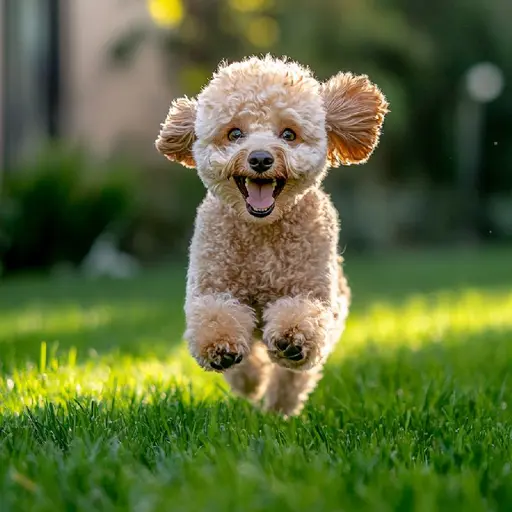
Poodles need regular exercise to stay healthy and happy. The amount of exercise required varies depending on the size of the Poodle. A daily walk or run is essential. Poodles also enjoy playing fetch and swimming.
Feeding
Feed your Poodle a high-quality dog food appropriate for its age, size, and activity level. Avoid overfeeding, as Poodles are prone to weight gain. Consult with your veterinarian about the best diet for your Poodle.
Health
Poodles are generally healthy dogs, but they are prone to certain health problems, including:
- Hip dysplasia
- Progressive retinal atrophy (PRA)
- Von Willebrand’s disease
- Addison’s disease
- Gastric dilatation-volvulus (bloat), especially in Standard Poodles
Regular veterinary checkups are essential to detect and treat any health problems early. Responsible breeders screen their dogs for these conditions to minimize the risk of passing them on to their offspring.
Breed Weaknesses
While Poodles are generally well-tempered, they can have some potential weaknesses. Understanding these can help prospective owners manage them appropriately.
Potential for Anxiety
Some Poodles, especially Toy and Miniature varieties, can be prone to anxiety and separation anxiety. Early socialization and training can help prevent or minimize this. Leaving a Poodle alone for extended periods can exacerbate anxiety issues.
Sensitivity
Poodles are sensitive dogs and do not respond well to harsh training methods. Positive reinforcement is crucial for building a strong bond and achieving successful training outcomes.
Grooming Demands
The high grooming demands of the Poodle can be a drawback for some owners. Professional grooming can be expensive, and daily brushing requires time and effort. While the low-shedding coat is desirable, it comes with a high maintenance price tag.
Barking Tendencies
Some Poodles can be prone to excessive barking, especially if they are bored or anxious. Training and mental stimulation can help reduce barking.
Conclusion
The Poodle is an intelligent, active, and affectionate breed that can make a wonderful companion for the right owner. They are best suited for individuals or families who are willing to provide them with plenty of exercise, mental stimulation, and grooming. If you are looking for a loyal companion who is eager to please and enjoys learning, the Poodle may be the perfect breed for you. Ultimately, the well-being depends on a good training foundation, positive reinforcement, and a loving environment.
Frequently Asked Questions About Poodle
-
Are Poodles hypoallergenic?
Yes, Poodles are considered hypoallergenic because they produce less dander than most breeds. Their low-shedding coat is a major draw for allergy sufferers.
-
What are the different sizes of Poodles?
Poodles come in three sizes: Standard (over 15 inches tall), Miniature (10-15 inches tall), and Toy (no more than 10 inches tall).
-
Where did Poodles originate?
Despite being often associated with France, Poodles originated in Germany, where they were initially bred as water retrieving dogs.
-
Are Poodles easy to train?
Yes, Poodles are highly intelligent and easy to train. They excel in obedience training and other dog sports due to their eagerness to please.
-
What kind of exercise do Poodles need?
Poodles are active dogs that require regular exercise, such as walking, running, swimming, playing fetch, agility training, and obedience training. Standard Poodles need more exercise than Miniature and Toy Poodles.
-
How often do Poodles need to be groomed?
The Poodle’s coat requires regular grooming to prevent matting and tangles. Professional grooming is typically needed every 4-6 weeks, and daily brushing is essential.
-
What are some common health problems in Poodles?
Poodles are prone to certain health problems, including hip dysplasia, progressive retinal atrophy (PRA), Von Willebrand’s disease, Addison’s disease, and gastric dilatation-volvulus (bloat), especially in Standard Poodles.
-
Are Poodles good with children?
Poodles are generally good with children, especially when raised with them. They are loyal and devoted to their families. Socialization from a young age is crucial.
-
Do Poodles bark a lot?
Some Poodles can be prone to excessive barking, especially if they are bored or anxious. Training and mental stimulation can help reduce barking.
-
Are Poodles prone to anxiety?
Some Poodles, especially Toy and Miniature varieties, can be prone to anxiety and separation anxiety. Early socialization and training can help prevent or minimize this.